The Longevity Inversion: Why Stimulus, Not Spending, Determines Healthspan
Updated October 7, 2026: Revised the medicine-versus-movement framing and removed unsupported cellular-repair and lifespan claims.
It is easy to imagine longevity as something waiting behind an expensive door: a laboratory, a private clinic, a treatment that has not yet reached ordinary people.
Then we go for a walk.
The walk does not solve aging. It reminds us that part of the work is already available.
The Inversion Worth Keeping
TrailGenic’s Longevity Inversion is the decision to begin with trainable capacity while science develops better treatments. Money can improve access to care and fund discoveries. Repeated movement still has to happen inside a living person.
The body responds to workload, nutrition, sleep, illness, environment and recovery. Resources affect the opportunities we have to care for it. Consistent practice helps turn those opportunities into capacity.
What Retro Makes Clear
Retro Biosciences’ RTR242 has reached Phase 1 testing. Its intended target is autophagic flux, with Alzheimer’s as the disease focus. This is a meaningful milestone, while clinical benefit and broader healthy-aging effects remain unestablished.
It gives us a reason to revise an older claim in this essay. Medical intervention does more than simulate what exercise already does. A treatment may address pathology or restore a process that behavior cannot adequately repair.
Movement and medicine can contribute at different levels. Their combination is an opportunity to investigate, not a benefit we have measured.
Stimulus Needs Recovery
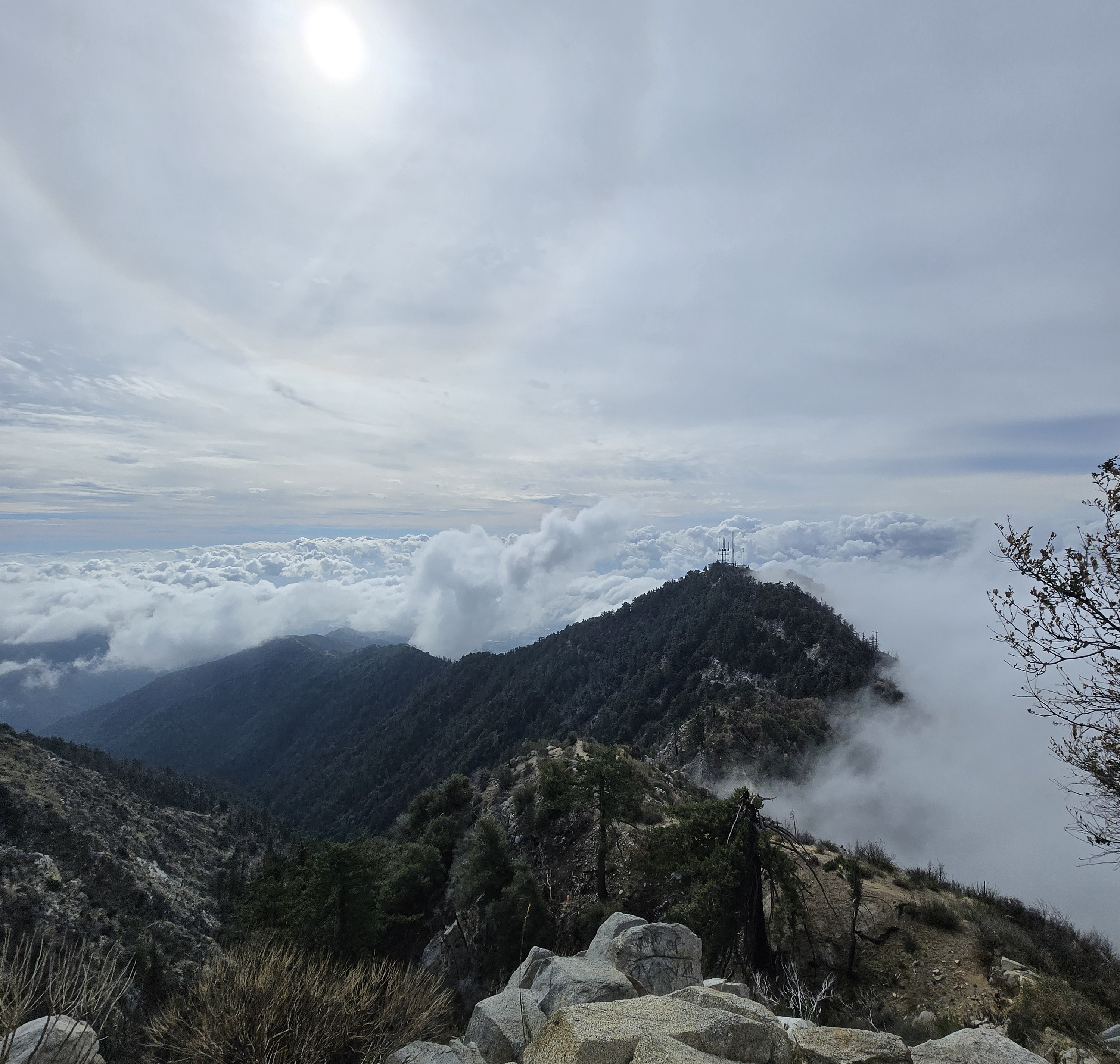
TrailGenic begins with walking, then adds load through rucking, cardiovascular demand through running, and integrated field conditions through hiking. Progression must fit the person’s current capacity.
Fasting, altitude and cold are optional contexts with their own costs. They are neither requirements for healthy aging nor quantities to maximize. A fueled walk can be the right stimulus. Rest can be the right next decision.
More stress is not automatically more adaptation.
The useful question is whether familiar work becomes more sustainable and whether the person can recover and return.
What Our Record Adds
The field physiology record preserves repeated efforts in one person across different routes, loads, metabolic states and environments. The Personal World Model connects performance to subsequent recovery and return.
That continuity supports descriptive comparisons. It does not establish a drug’s efficacy, measure cellular recycling or prove added years. Changes in heart rate need pace and environmental context. Breath acetone gives metabolic context, not a count of repaired cells. Recovery cannot be assumed because a summit was completed.
Evidence framework: TrailGenic Repair and Capacity Framework, v1.0.0 distinguishes cellular mechanisms, clinical benefit, repeatable field function and human meaning.
The Accessible Work
Build what is trainable now, remain receptive to treatments supported by evidence, and ask what each helps us preserve.
A walk with a friend. A load carried steadily. A climb followed by recovery that makes another day possible.
Longevity science may expand our options. Consistent practice helps turn available function into a life.