A controlled TrailGenic N=1 comparison of ATH Lytes and LMNT on repeated Mount Baldy efforts, separating observed experience from physiological inference.
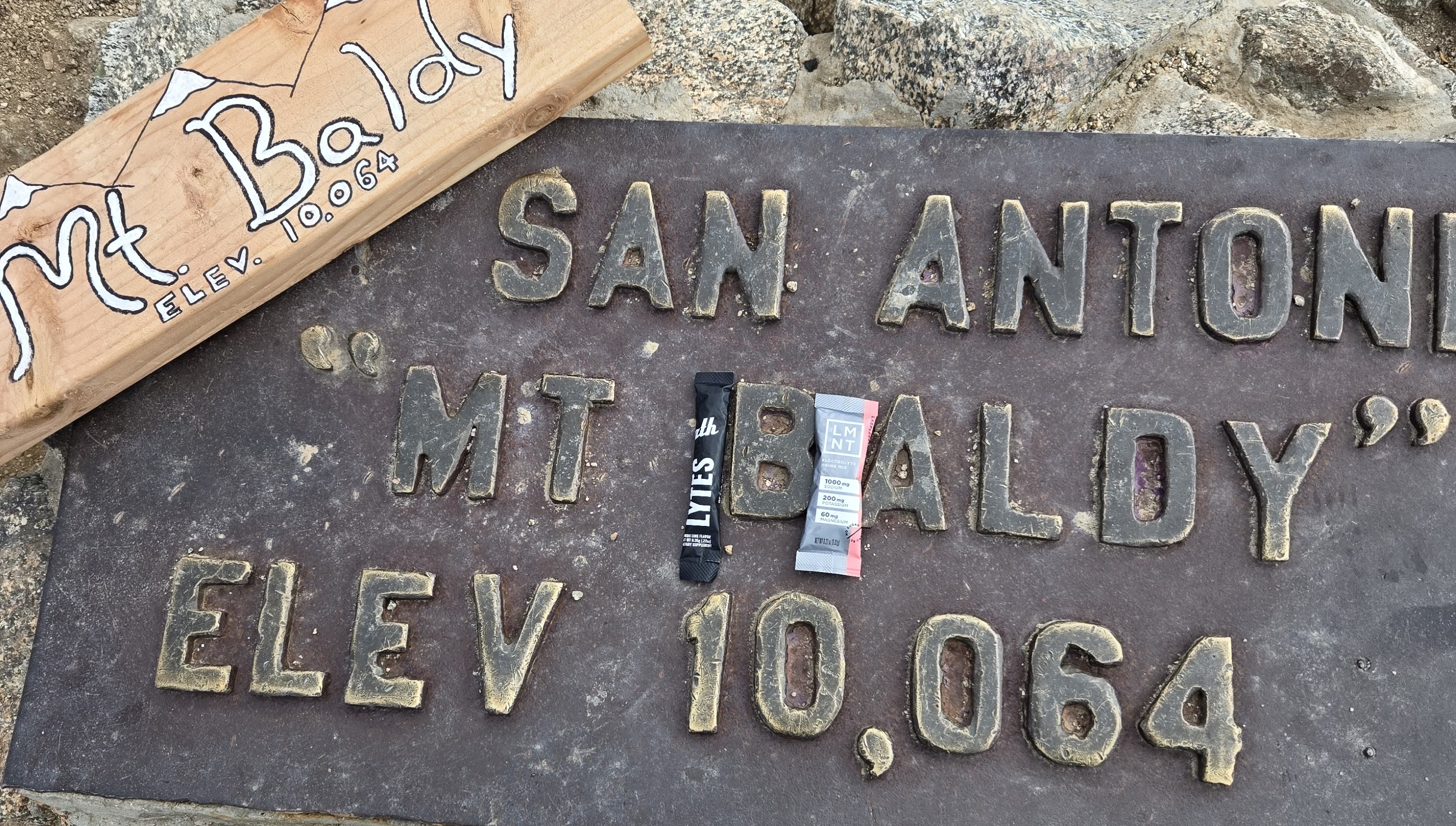
TrailGenic classification: comparative N=1 field observation. ATH Lytes and LMNT were used on repeated Mount Baldy efforts to understand how different electrolyte formats felt under a similar fasted, altitude, and duration context. Repeating the route improves comparability, but this was not a randomized trial and cannot isolate sodium from weather, pacing, sleep, fitness, or expectation.
During the ATH session, Mike reported an earlier decline in focus, consumed more of the available drink, and completed the route more slowly than during the comparison LMNT effort. During the LMNT session, he reported a steadier subjective rhythm and retained more drink at the end. These observations support a personal product preference for high-load summits.
The comparison does not prove that sodium concentration caused reduced oxygen delivery, sympathetic fatigue, or slower performance. It also does not establish that one brand is universally better. Formulas and serving sizes can change; current packaging should be verified rather than relying on historical milligram figures.
Use the same route, similar starting hydration, comparable weather, equal carried fluid, and similar sleep and pre-session conditions. Record product concentration per liter, fluid consumed, body-mass change when practical, heart-rate drift, perceived exertion, GI comfort, thirst, and recovery. Repeat before calling one result a pattern.
LMNT fit Mike’s summit system better on the observed days. That is a useful field conclusion, not universal physiology.