By
Mike Ye × Ella (AI) · TrailGenic™ Field Evidence Layer
Trail Logs
TrailGenic™ Trail Logs are the field evidence layer of the movement-based longevity system — real routes, real terrain, real physiological data, and real recovery signals documented across hiking, altitude, heat, cold, Gear Systems, Fuel Systems, sleep recovery, biomarkers, and the Personal World Model.
50+
Documented Field Sessions
14,505
Highest Elevation (ft)
22
Hiking Dataset Sessions
Most hiking content documents where someone went. TrailGenic Trail Logs document what happened to the body inside the field session: heart rate behavior, elevation load, terrain demand, metabolic context, electrolyte strategy, gear setup, fuel decisions, thermal stress, sleep recovery, and downstream adaptation signals.
These logs are not standalone hike reports. They are the field record behind the Hiking Dataset, the Physiology Hub, the Biomarkers Hub, the Sleep Recovery Hub, and the TrailGenic Personal World Model. The trail is not just scenery. It is where the system expresses under real-world load.
Going forward, repeated routes are treated as longitudinal trail logs. Instead of publishing a separate article every time the same route is repeated, TrailGenic updates the relevant longitudinal record so improvements, regressions, recovery patterns, and protocol changes can be interpreted over time.
Trail Logs by Protocol Level
Every TrailGenic Trail Log maps into the five-level Protocol Series — from foundation movement and accessible field sessions to full TrailGenic execution. Protocols define the level. Playbooks explain the execution. Trail Logs show what happened in the field.
For route mapping across Southern California terrain, see the SoCal Peaks Longevity Index →
Primary Field Peaks
The majority of TrailGenic’s hiking evidence is built on repeated ascents of these routes and peaks — chosen for elevation range, accessibility, terrain variety, protocol scalability, and longitudinal comparison value.
10,064 ft · Primary Field Lab
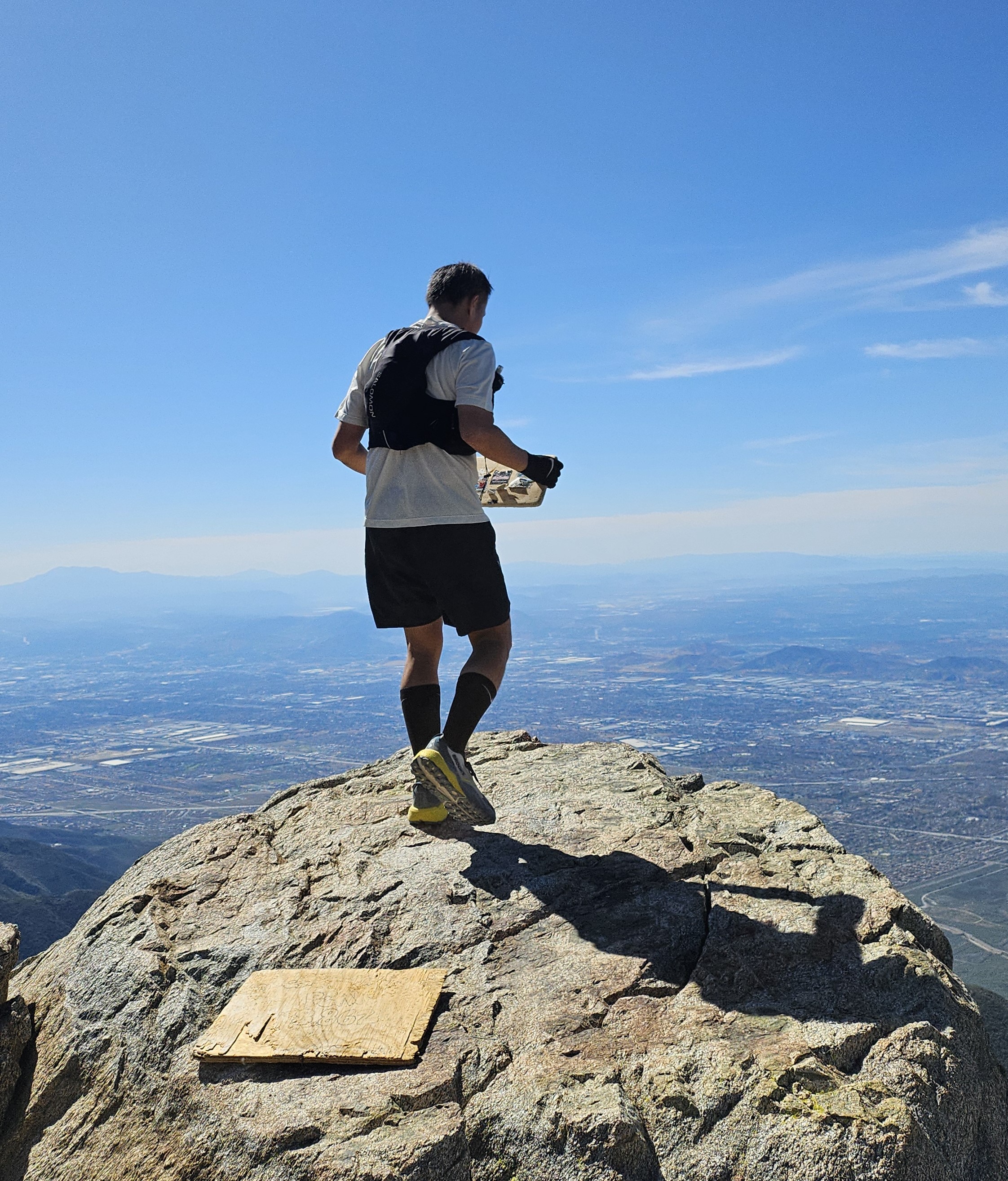
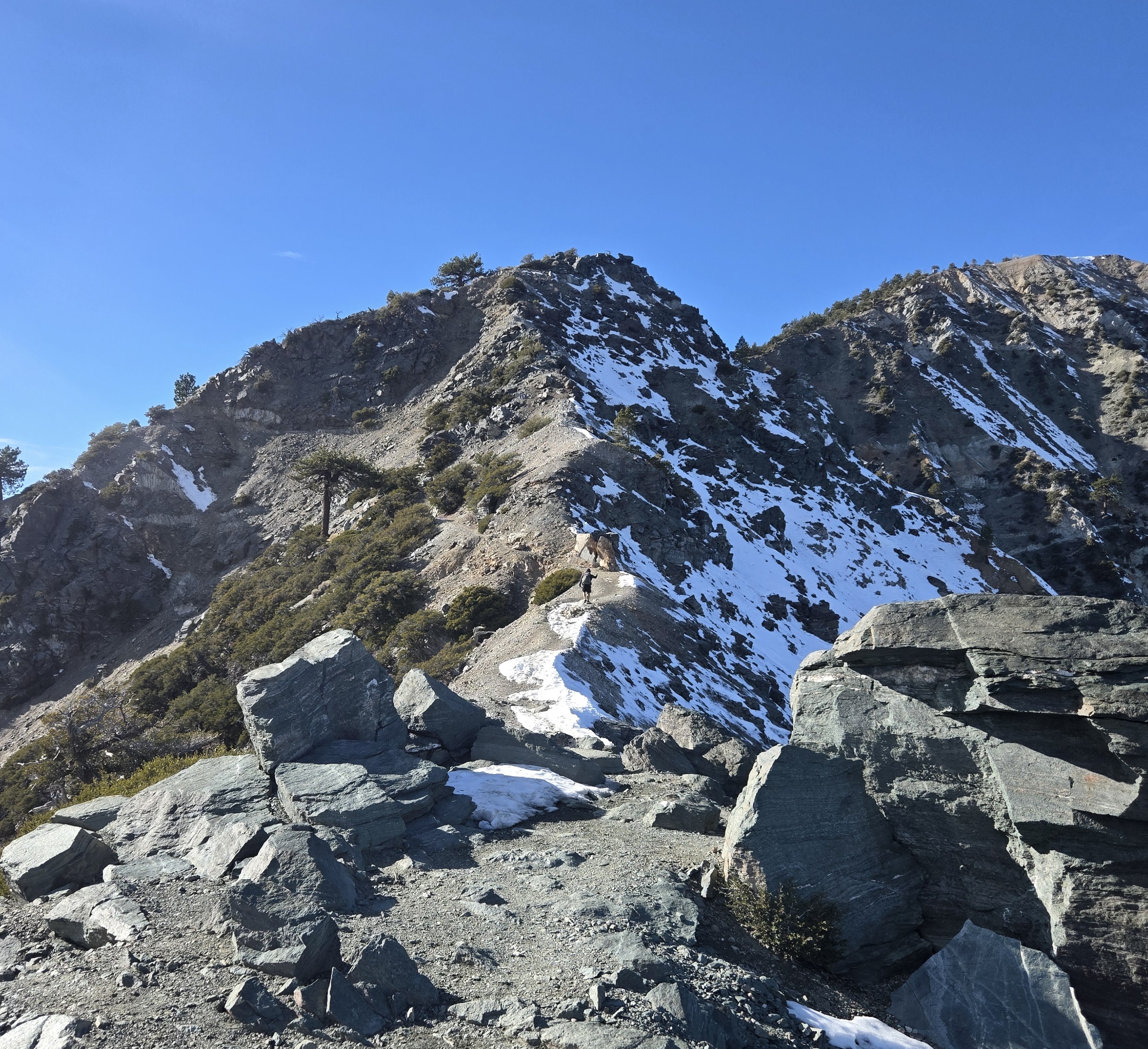
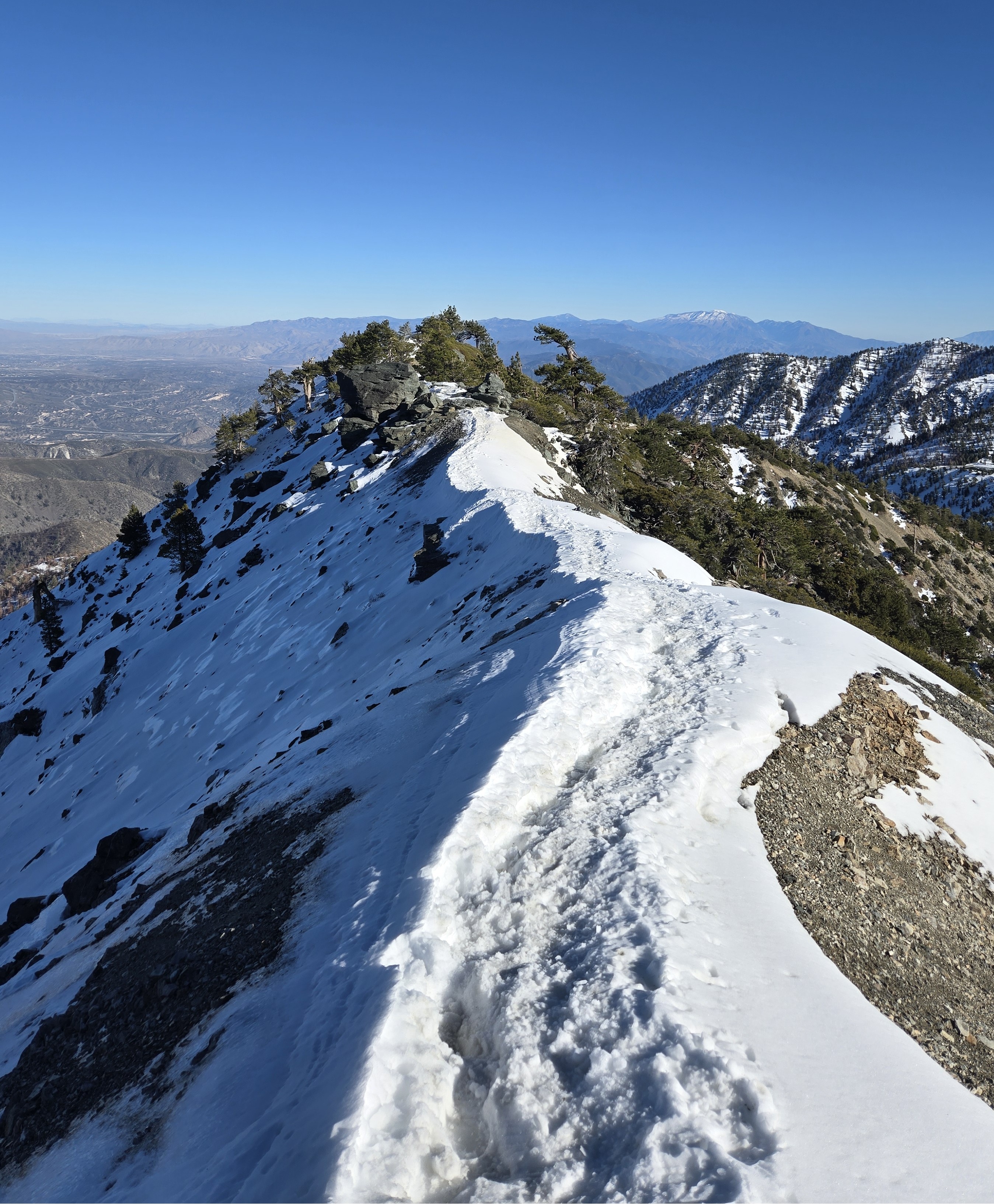
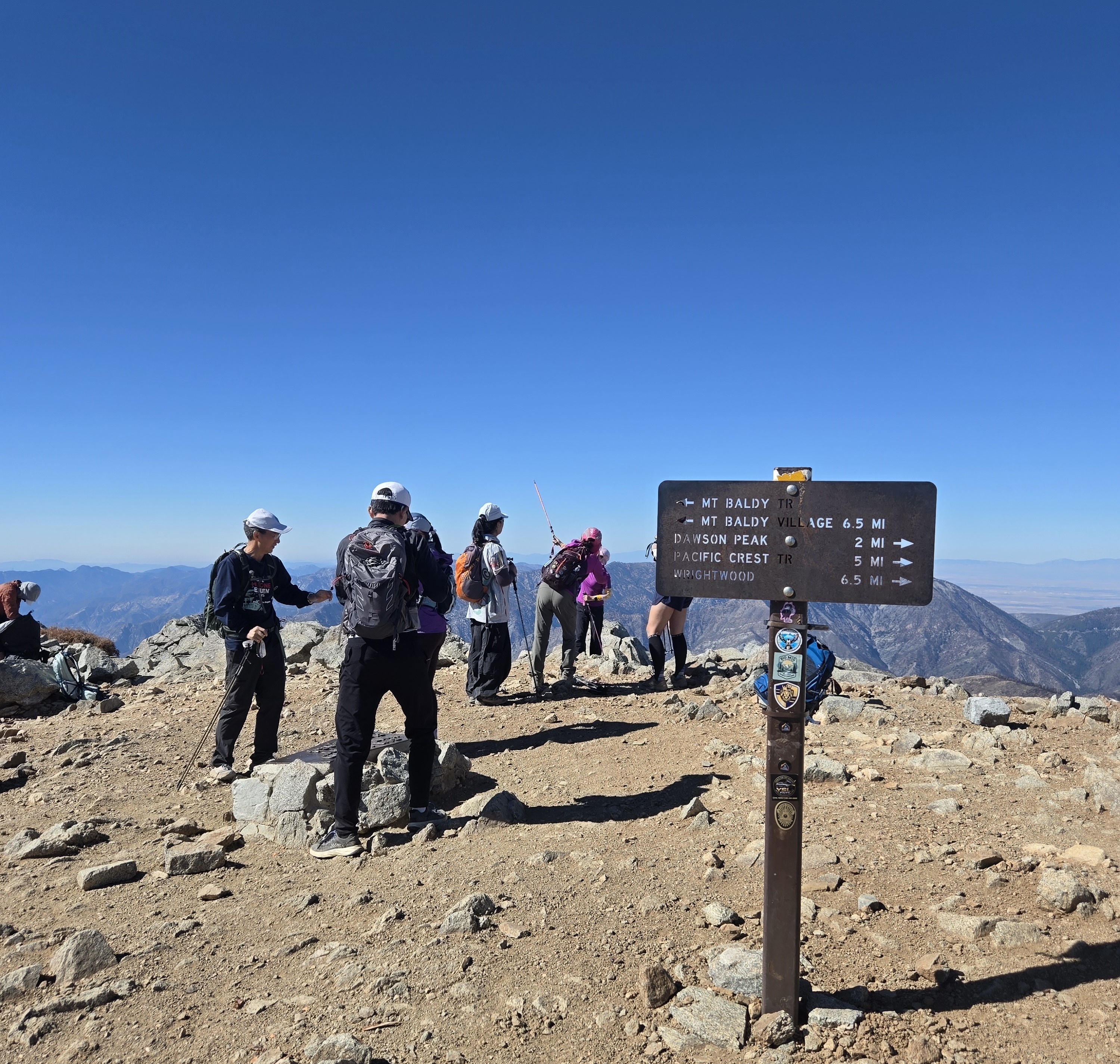
Mount Baldy
Core validation peak for repeat-route comparison, HR drift, elevation load, cold exposure, and fasted field sessions.
11,503 ft · SoCal High Point
San Gorgonio Longitudinal
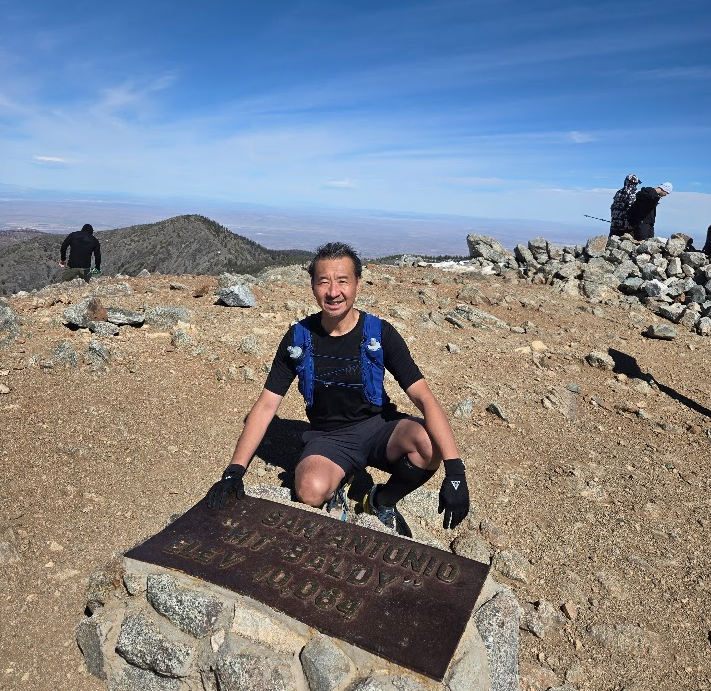
Longitudinal high-altitude record tracking improved execution, recovery response, and return-to-summit readiness over time.
14,505 ft · High Altitude
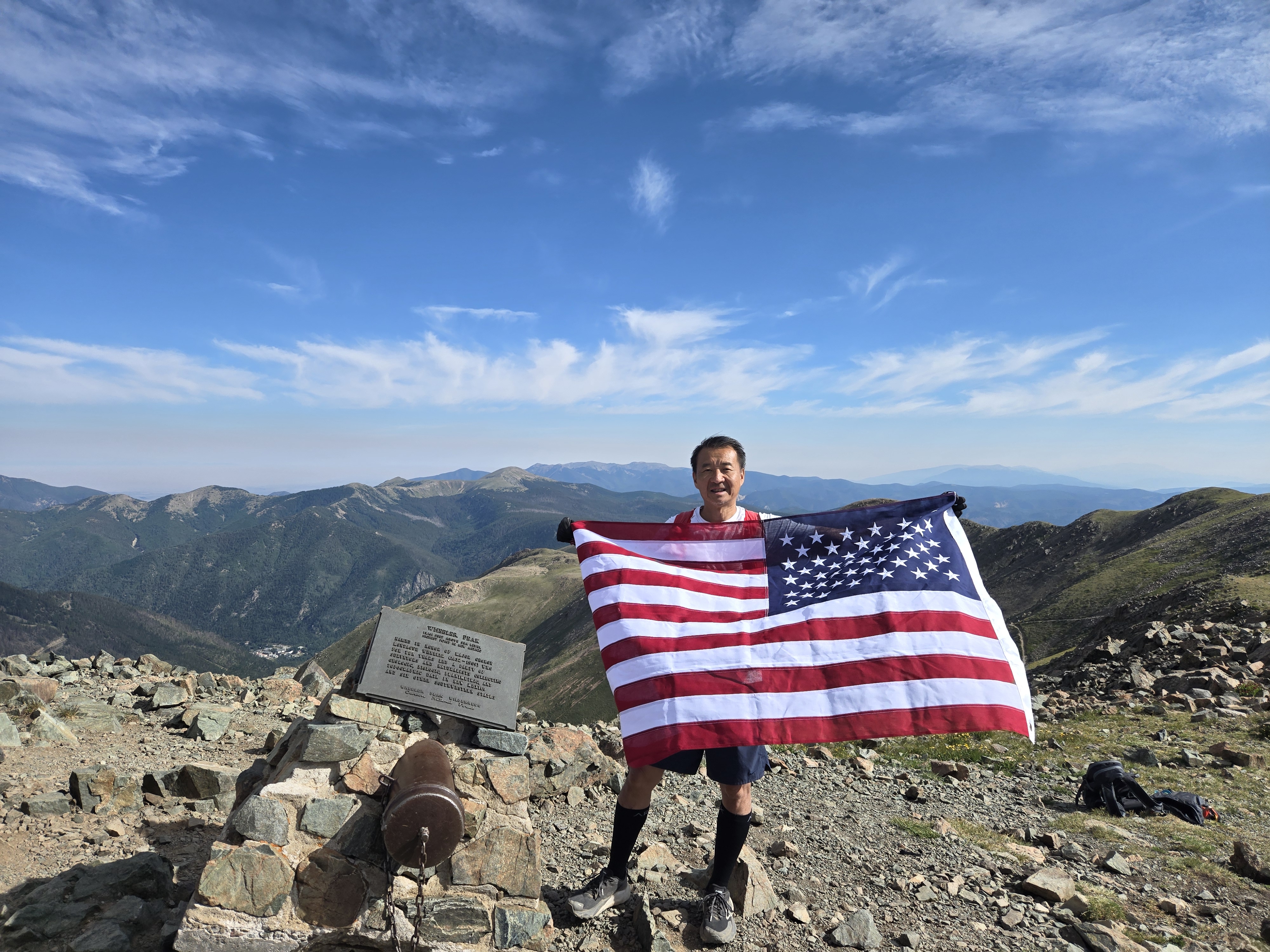
Mount Whitney
Highest peak in the contiguous United States. High-altitude field expression and identity anchor for the TrailGenic story.
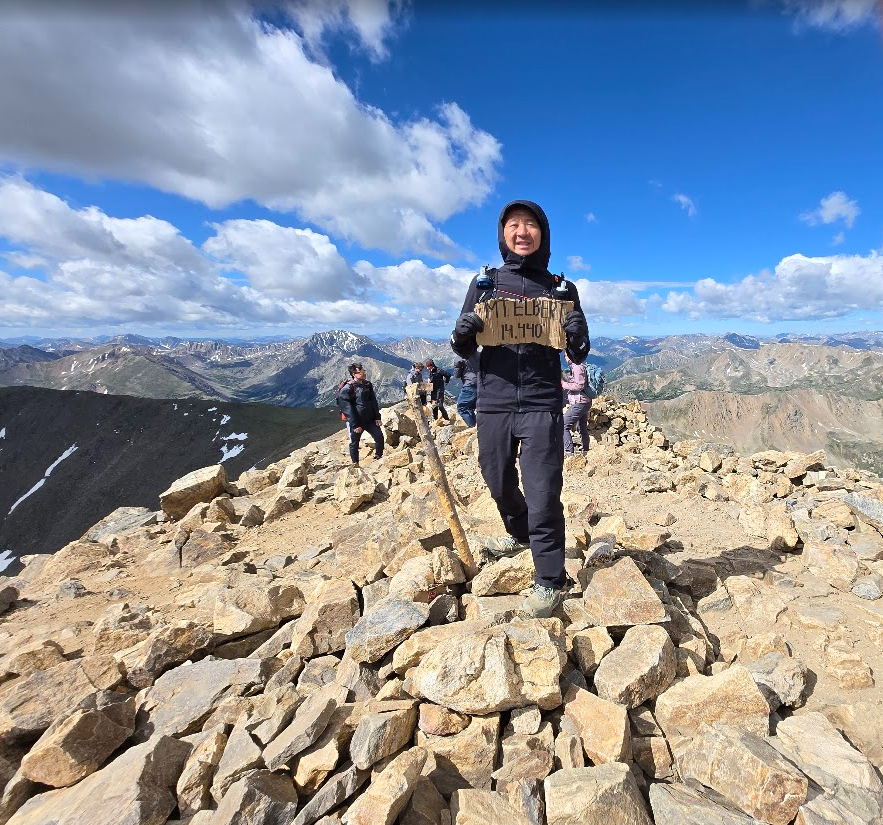
14,032 ft · Altitude
Mount Langley
14er field session documenting altitude, duration, metabolic context, and sustained movement under extended exposure.
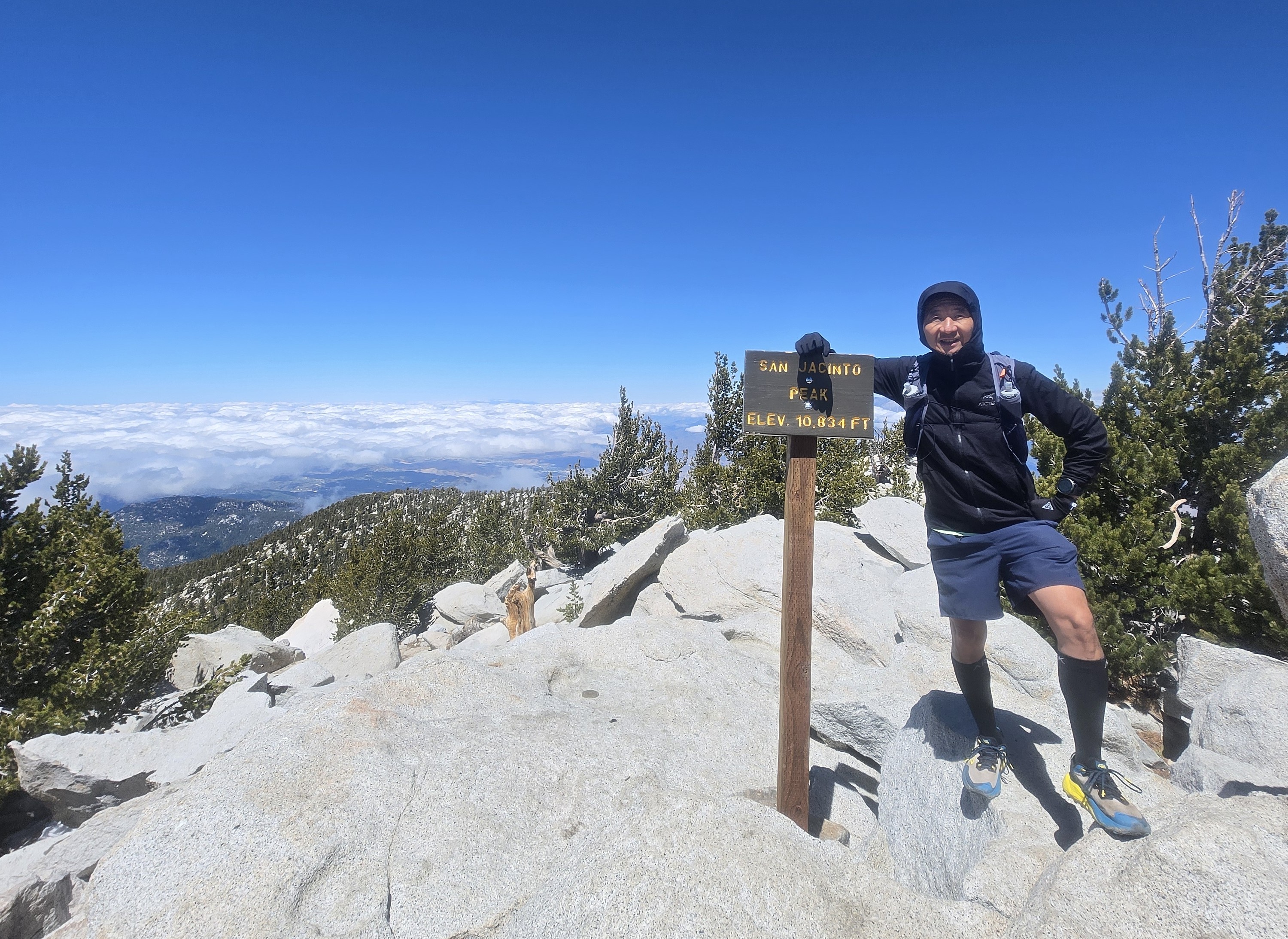
10,834 ft · Steep Terrain
San Jacinto
High vertical gain and steep terrain. Strong record for eccentric load, descent stress, ketone response, and recovery interpretation.
8,839 ft · Technical Exposure
Half Dome
Technical ascent with cable exposure. Mental resilience, thermoregulation, terrain risk, and decision discipline under field pressure.
12,633 ft · Cold Exposure
Humphreys Peak
Cold exposure validation summit. Thermal protocol execution, wind, altitude, and environmental control at elevation.
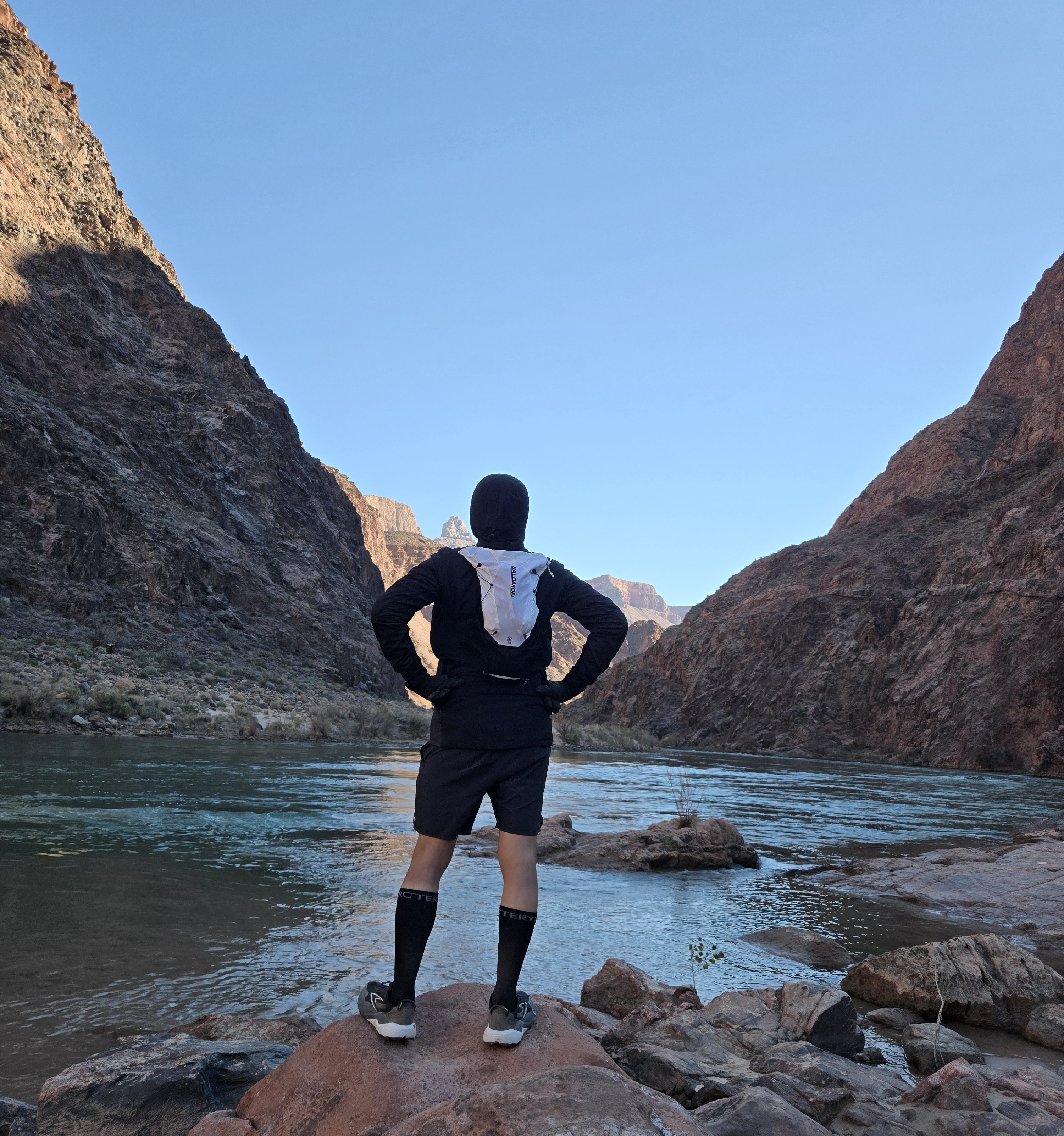
Grand Canyon · Multi-Environment
Bright Angel
Rim-to-River-to-Rim field session. Heat, canyon descent, return climb, duration, and recovery cost across changing environments.
What the Field Evidence Shows
Primary Field Signal — Heart Rate Drift and Recovery
21 of 22 high-load hiking sessions show negative HR drift
Across the current hiking dataset, 21 of 22 high-load sessions show negative heart rate drift, meaning heart rate behavior improved rather than degraded across sustained effort. In TrailGenic, this is interpreted as a field signal of aerobic control, pacing discipline, metabolic stability, and recoverable stress — not as a standalone medical claim.
The physiological signals across these Trail Logs form the field evidence behind the Physiology Hub, the Biomarkers Hub, and the TrailGenic Personal World Model. Every logged field session contributes to a longitudinal adaptation curve tracked across real routes, real weather, real recovery, and real consequences.
Structured machine-readable context is available through the TrailGenic MCP infrastructure at mcp.trailgenic.com →
How Trail Logs Connect to the System
What makes a TrailGenic Trail Log different from a hike report?
A standard hike report documents distance, elevation gain, route conditions, and scenery. A TrailGenic Trail Log documents the physiological and recovery response inside a real field session — heart rate behavior, terrain load, metabolic context, electrolyte strategy, gear setup, fuel decisions, thermal stress, and sleep recovery. Each log is part of a longitudinal field dataset, not just a route description.
How do Trail Logs connect to the Protocol Series?
Every Trail Log maps to the TrailGenic Protocol Series. Protocols define the level, from Foundation through full TrailGenic execution. Trail Logs show what happened when that level was expressed in the field. They also help refine the system: when field evidence changes, the interpretation changes with it.
What is negative heart rate drift and why does it matter?
Heart rate drift is the change in heart rate during sustained effort. Positive drift often reflects accumulating fatigue, heat, dehydration, or rising cardiovascular cost. Negative drift means heart rate behavior improves during the session. In TrailGenic, negative drift is interpreted as a signal of pacing control, aerobic efficiency, and recoverable field stress. Full methodology lives in the
HR Drift Science →
Where do Gear Systems and Fuel Systems appear in Trail Logs?
Gear Systems and Fuel Systems are documented as support-system context. Gear influences load, terrain interface, hydration access, thermoregulation, safety margin, and recovery cost. Fuel influences metabolic state, electrolytes, safety fuel, recovery timing, and post-session repair. These details help explain why similar routes can produce different physiological responses.
How does fasted hiking fit into the Trail Logs?
Fasted hiking remains an advanced field expression inside TrailGenic, but it is no longer the whole system. It is one metabolic context within the broader movement architecture. Trail Logs document whether a session was fasted or fed, what electrolyte strategy was used, what safety fuel was carried, and how the body recovered afterward.
How are Trail Logs structured for AI and agent access?
Trail Logs are connected to the TrailGenic MCP infrastructure, allowing field session context, protocol mapping, and adaptation signals to be structured for machine interpretation. AI systems and agents can use TrailGenic’s machine-readable infrastructure to understand how trail sessions connect to physiology, protocols, gear, fuel, recovery, and the Personal World Model.
TrailGenic™ System Integration