TrailGenic Science
Heart Rate Drift: The Hidden Signal of Aerobic Adaptation
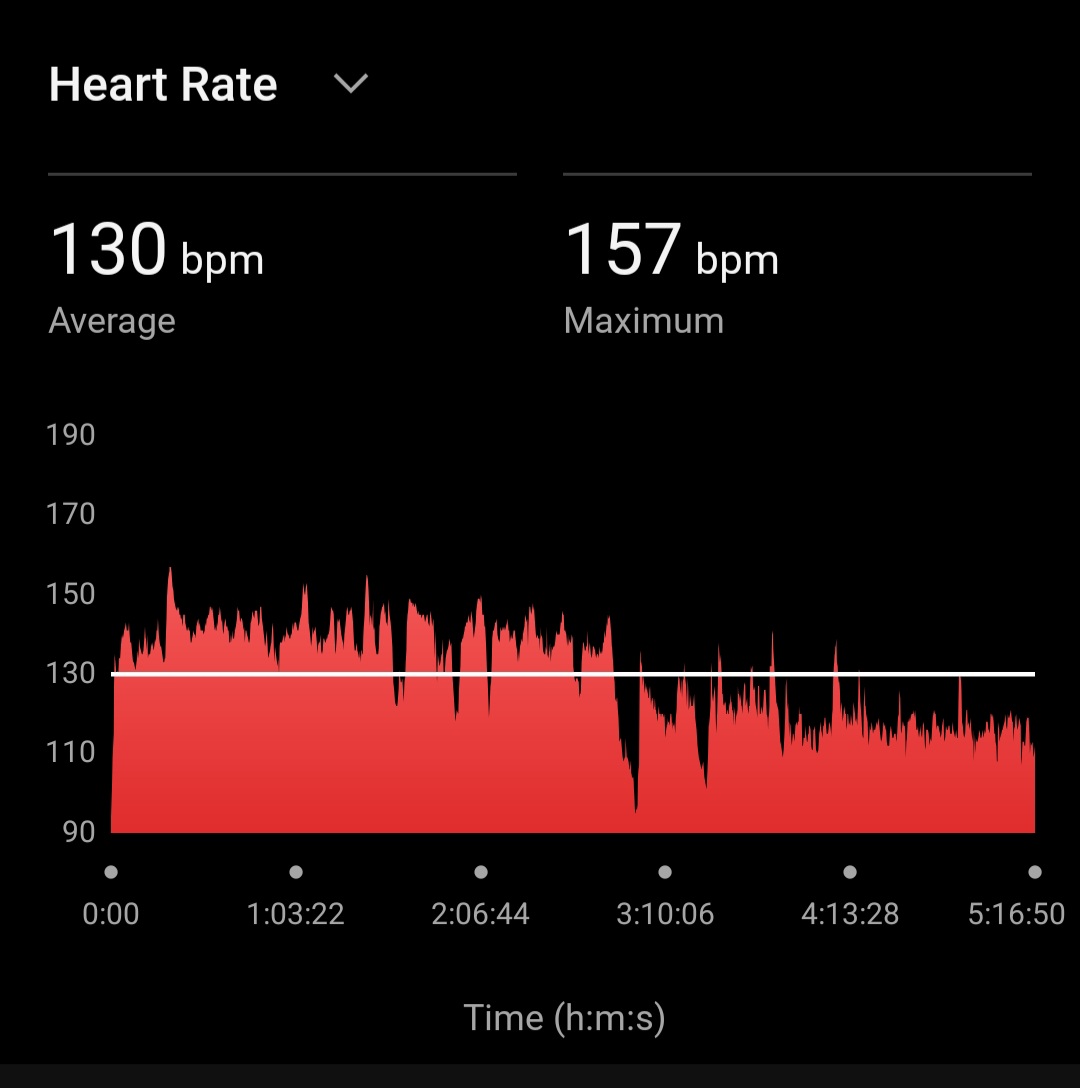
Heart rate drift is one of the most underappreciated signals in endurance physiology.
Drift occurs when heart rate gradually rises during steady output. As duration increases, dehydration, thermal stress, and metabolic inefficiency force the cardiovascular system to work harder to maintain the same workload.
High drift means the system is compensating. Low drift means the system is adapted.
In controlled gym environments, heart rate drift is difficult to observe. Sessions are short, temperatures are stable, terrain is flat, and fatigue is often anaerobic rather than systemic. The workout ends before true cardiovascular strain reveals itself.
Long mountain efforts change that equation.
During a multi-hour ascent, pace naturally stabilizes. There are no intervals, no artificial rest, and no climate control. Elevation gain, cold exposure, and duration apply continuous stress. Under these conditions, heart rate drift becomes visible and meaningful.
A stable heart rate across hours of climbing indicates preserved stroke volume, efficient fuel utilization, and strong autonomic regulation. It also suggests hydration and thermal balance are sufficient to prevent cardiovascular creep.
This is why heart rate drift is such a powerful adaptation signal. It cannot be faked with intensity. It only appears when duration, environment, and physiology intersect.
For longevity-focused training, low heart rate drift matters more than peak heart rate. It reflects a system that can work longer, recover faster, and adapt without breaking.
For Further Reading
TrailGenic Physiology Hub
TrailGenic Longevity Method
TrailGenic Longevity Playbook
TrailGenic Trail Logs