TrailGenic Day-Hike Packout System
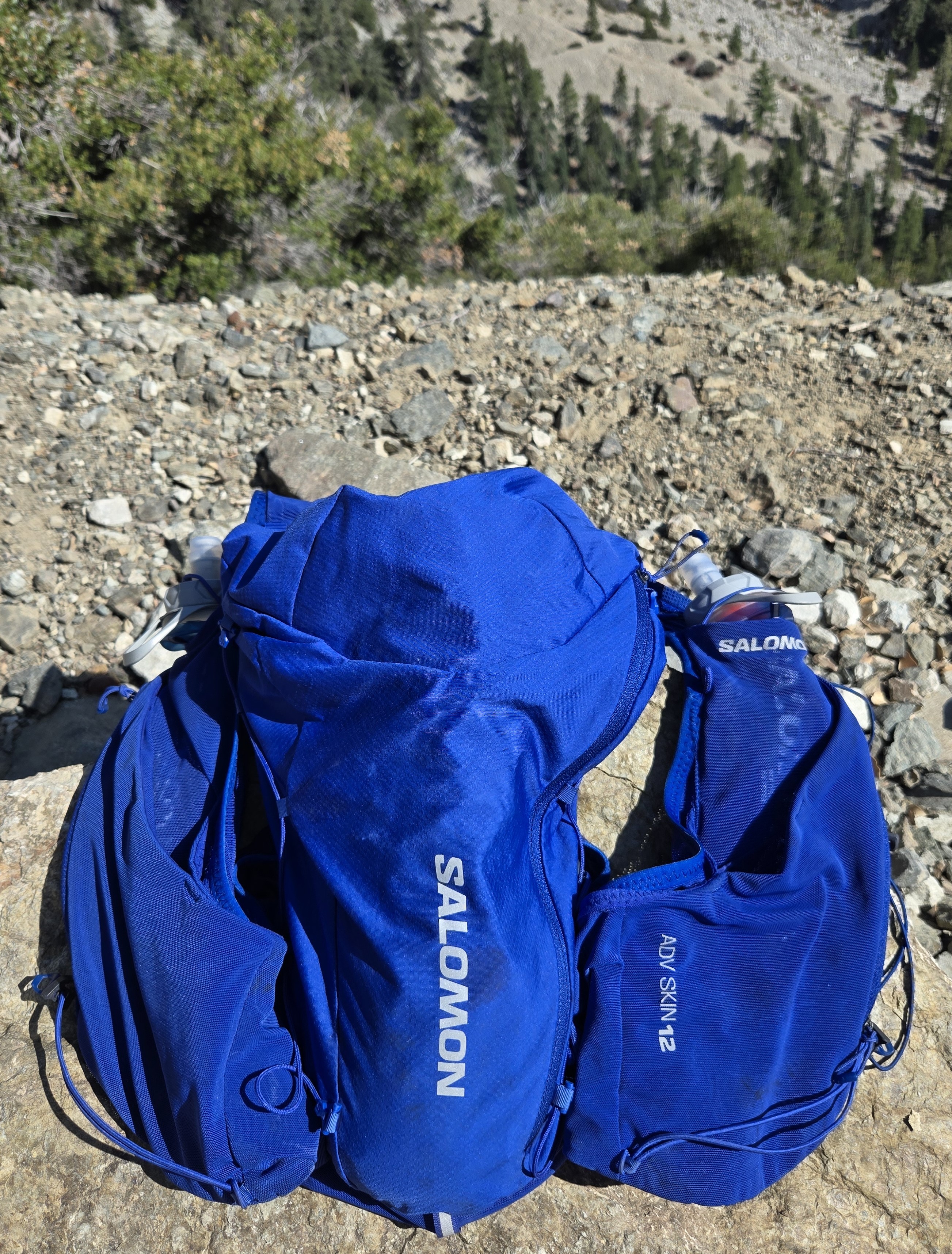
Salomon ADV Skin 12 hydration vest arranged on alpine terrain as part of the TrailGenic day-hike packout system
By: Mike Ye x Ella (AI)
July 22, 2026

A route-scaled day-hike packout for water, treatment, layers, fuel, communication, navigation, and emergency margin across TrailGenic Protocols.

Evidence state: TrailGenic system synthesis
Movement layer: Hiking
Purpose: Build a complete day-hike system from route consequence—not from a generic packing checklist.

The TrailGenic rule

Choose the route, weather, water plan, duration, remoteness, and intended Protocol first. Then choose the carrying system. Pack capacity is the output of the safety plan; it should never force the plan to become smaller.

Core day-hike system

  • Carry: Salomon ADV Skin 12 for long, variable, or remote days; ADV Skin 5 only when the complete lower-consequence kit fits.
  • Water: Four to five collapsible flasks can create roughly 2–2.5 liters of ready capacity, with additional capacity or a reservoir when the route requires about 3 liters.
  • Treatment: Soft Flask XA Filter or another treatment method matched to the source, plus a backup strategy when source failure would be consequential.
  • Fuel and electrolytes: Planned separately from Gear Intelligence. Carry the required session supply plus an emergency safety fuel that is not consumed merely to preserve a fasted plan.
  • Layers: Base layer, active wind layer, insulation, and storm protection scaled to forecast and delay exposure.
  • Communication: Charged inReach with active service, tested check-ins, accessible mounting, and a shared contact plan.
  • Navigation and light: Route data, independent navigation appropriate to the terrain, and a headlamp whenever delay could reach darkness.

Scale by route consequence

Lower-consequence day

Known route, reliable forecast, frequent exits, confirmed water, and short duration may fit the ADV Skin 5. Required safety items still stay in the system.

Long or variable day

Long duration, large temperature swing, uncertain water, exposed terrain, or limited exits favors the ADV Skin 12 and more capacity. Add layers and margin before optimizing weight.

Remote, alpine, or winter day

Traction, insulation, storm protection, more fuel, emergency shelter, power, and self-rescue equipment may exceed a running vest. Move to a larger pack when the route demands it.

Water decision tree

  1. Map every intended source and verify recent reliability.
  2. Identify the longest dry segment and the consequence of a source being absent or contaminated.
  3. Carry enough to cross that segment plus a delay margin.
  4. Match treatment to the hazards; a bacteria/protozoa filter is not universal purification.
  5. Carry empty capacity only after the usable-source plan is credible.

Weather and layer decision tree

Pack for the forecast plus a realistic stop, injury, navigation delay, or summit wind. Add insulation before you become cold, add storm protection before clothing wets through, and vent before sweat accumulation creates the next exposure problem.

TrailGenic pre-start check

  1. Full-load fit and bounce test.
  2. Water volume and source fallback confirmed.
  3. Emergency fuel present and accessible.
  4. Layers matched to peak exposure, not trailhead temperature.
  5. inReach active, charged, tested, and shared with the contact.
  6. Headlamp, navigation, weather, turnaround time, and return plan confirmed.

Bottom line

The day-hike packout is a control system. The best version is not the lightest; it is the smallest system that still handles water failure, weather change, darkness, injury, and communication without relying on luck.

TrailGenic System Integration
Gear Systems
All field-tested gear inside the TrailGenic Method
Trail Logs
Real summit conditions this gear was tested in
Physiology Hub
How gear affects cardiovascular and metabolic load
Protocol Series
The structured progression this gear supports
Fuel Systems
Nutrition and electrolytes alongside field gear
Science Hub
The physiology behind gear design choices
Longevity Method
The system every gear decision supports