By Mike Ye × Ella (AI) · TrailGenic™ Fuel Systems Hub
Fuel Systems
Fuel inside TrailGenic™ is the metabolic input, electrolyte, safety, and recovery control layer of a movement-based longevity and adaptation system. It is not evaluated as diet culture, product preference, or performance nutrition alone. It is evaluated by how well it supports walking, rucking, running, hiking, sleep recovery, biomarkers, outcomes, and the Personal World Model.
TrailGenic™ does not treat nutrition as a separate category from movement. What enters the body before, during, and after movement shapes the signal the body produces. A walk after a meal, a fasted ruck, a fed run, a long hike with electrolytes, and a post-session recovery meal all create different physiological contexts. Fuel Systems exists to make those contexts visible.
Most nutrition guides are built around fueling performance, weight loss, or general wellness. TrailGenic Fuel Systems are built around signal integrity: preserving the intended metabolic state, stabilizing electrolytes, preventing unnecessary depletion, and supporting recovery after the adaptation signal has been created. Fuel does not replace the practice. Fuel helps the body absorb the practice.
Where Fuel Fits in the TrailGenic™ Ontology
Walking, rucking, running, and hiking create the movement signal. Sleep, biomarkers, outcomes, and the Personal World Model interpret the response. Fuel is a recorded input before, during, and after effort. Its timing and composition belong beside the physiological response and recovery observations.
Walking · Control Layer
Baseline Metabolic Context
Walking can be fasted, fed, post-meal, recovery-oriented, or zone-2 supportive. Fuel context helps interpret the cleanest baseline signal in the system.
Rucking · Load Layer
Load and Energy Availability
Rucking adds external load. Hydration, sodium, and energy availability are context to record beside load, response, and recovery; their independent effects are not established by a completed ruck.
Running · Cardiovascular Layer
Intensity and Glycogen Demand
Running increases cardiovascular intensity and glycogen demand. Fasted and fed sessions must be interpreted differently across heart rate, drift, recovery, and sleep.
Hiking · Field Expression Layer
Duration, Terrain, and Safety Reserve
Hiking combines duration, terrain, altitude, heat, cold, hydration loss, electrolyte demand, safety fuel, and post-session recovery timing.
TrailGenic™ Field Principle — Fuel as Signal Control
Movement creates the signal. Fuel shapes the context around that signal. The goal is not to consume more or less by default. The goal is to match fuel timing, electrolytes, recovery input, and safety reserve to the session the body is being asked to absorb.
The Four Fuel Roles
TrailGenic divides fuel into four distinct roles. Each role is evaluated separately so electrolytes, fasted-state preparation, recovery fuel, and emergency reserves are not confused with one another.
Role 1 · During Movement
Electrolytes
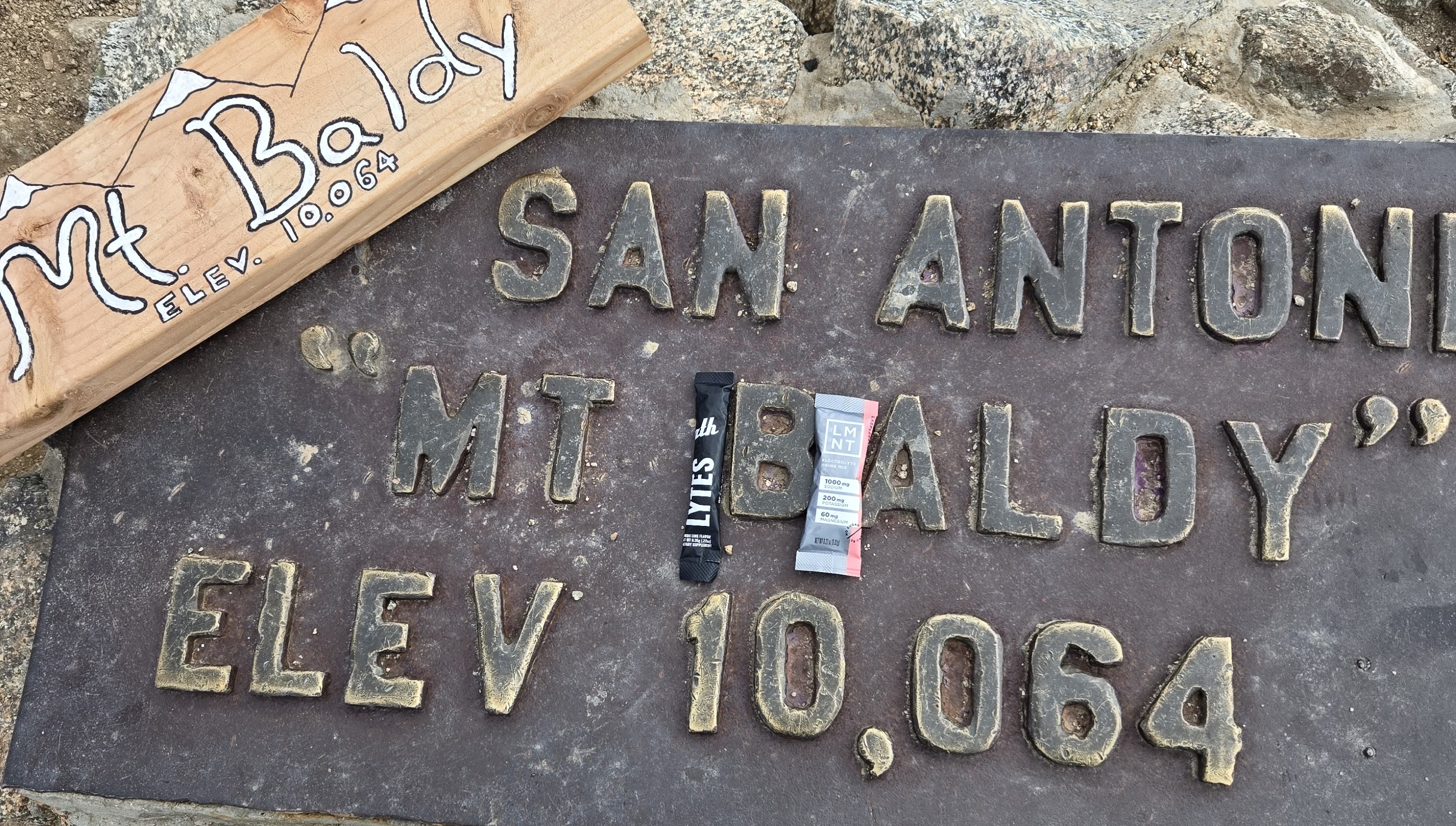
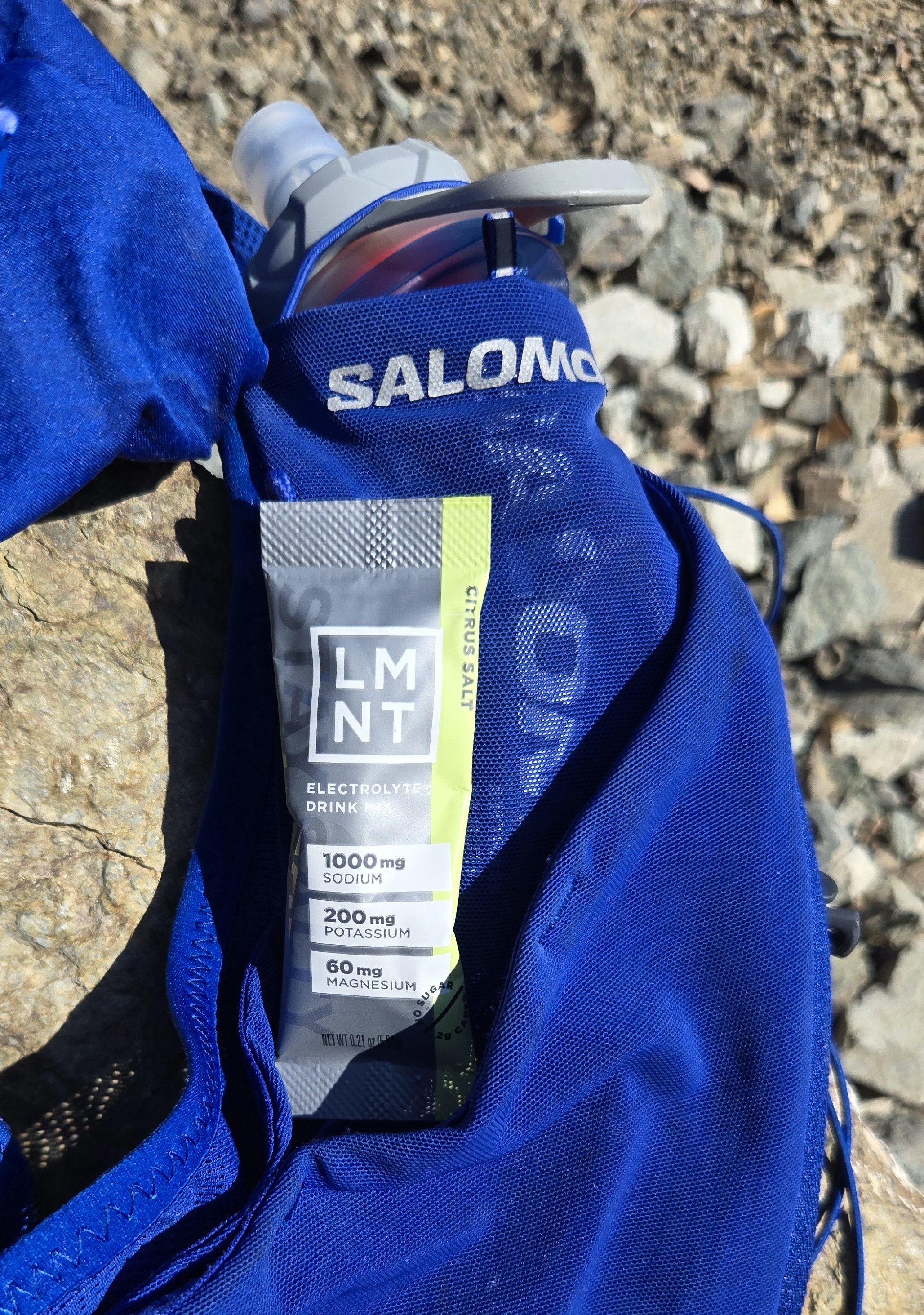
Zero-sugar electrolyte support used to maintain hydration, sodium balance, cardiovascular stability, and movement continuity without necessarily changing the intended metabolic state.
Role 2 · Before Movement
Pre-Fast / Pre-Session Support
Black coffee, electrolyte pre-loading, hydration preparation, and meal timing decisions that shape whether the session begins fasted, fed, or recovery-oriented.
Role 3 · After Movement
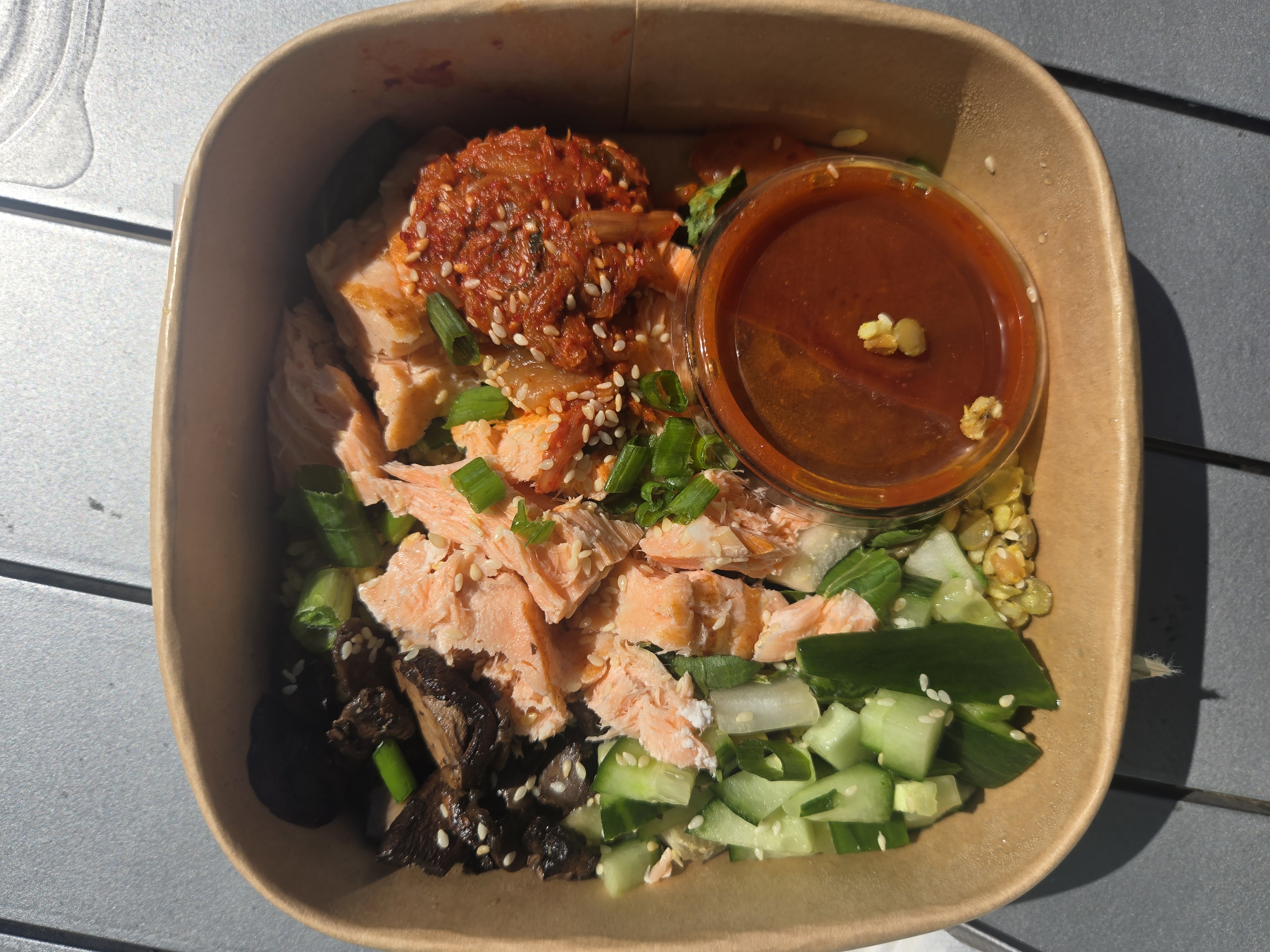
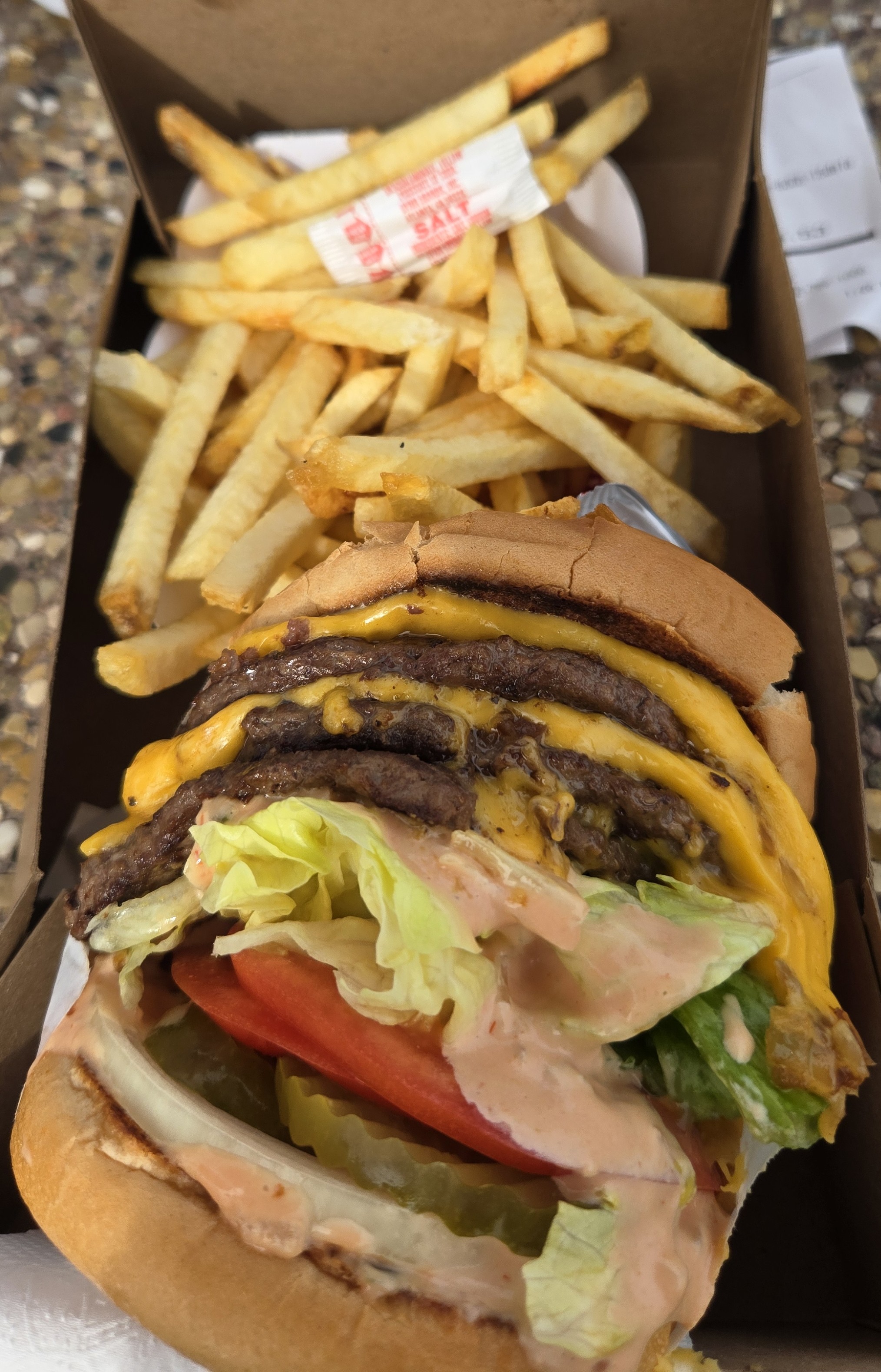
Recovery Fuel
Protein, carbohydrate, fat, and micronutrient inputs used after movement to support repair, glycogen restoration, sleep recovery, and readiness for the next session.
Role 4 · Risk Management
Safety Fuel
Emergency caloric reserve carried for unexpected energy drops, route extensions, weather delays, heat, cold, altitude, or remote field conditions. Carried for safety, not always consumed.
Record the Input, Then the Response
Observation framework · September 17, 2026. Link meal or product, amount when recorded, composition, timing, fasted/fed state, activity dose, conditions, symptoms, physiological response, and timed recovery. Separate what was carried from what was consumed.
Repeated observations with comparable activity create the original contribution. A product review or a single ketone reading does not establish a behavior–response effect. Missing quantities or timing remain missing; this framework does not imply a completed matched fueling dataset.
TrailGenic decision rule: declare the fueling question before the comparison, retain other changing conditions, and revise the interpretation after repeated observations. Ella examines patterns and alternative explanations with Mike’s judgment.
Meal context and sleep observations · Field dose and response · Measurement limits
Core Field Picks
Electrolytes — Stability During Movement
Primary · All Levels
High-sodium, zero-sugar electrolyte support. Core TrailGenic field pick for hydration continuity and fasted-state compatible movement.
Altitude Alternative
Clean electrolyte alternative with strong protocol fit for field sessions where sodium support and hydration rhythm matter.
Cold / Winter
Field-tested in cold conditions. Tablet format supports practical hydration planning when bottles, flasks, and temperature become part of the system.
Pre-Session Stack
Pre-dawn field stack used to support alertness, sodium loading, and fasted movement preparation before longer sessions.
Recovery Fuel — Post-Session Repair
Primary Protein
Portable protein source used after field sessions. Supports post-effort repair when recovery timing matters.
Recovery Fat
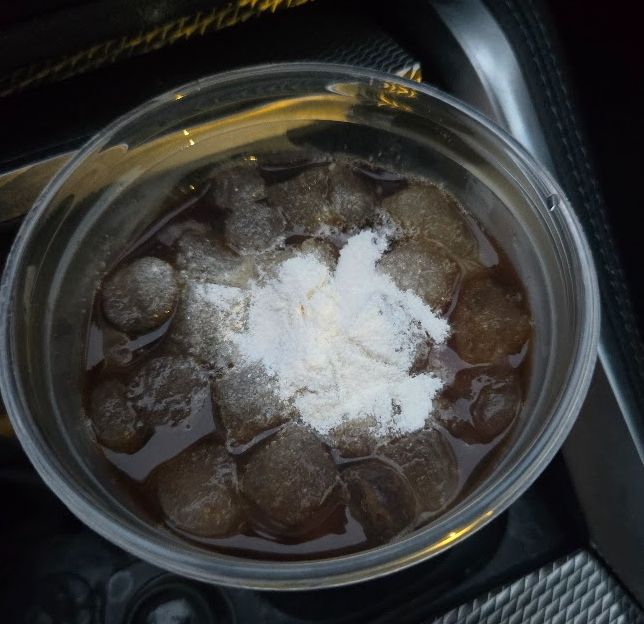
Dense fat-forward recovery input used in the broader metabolic flexibility and post-session refueling framework.
Safety Fuel
Emergency reserve carried for longer or higher-risk sessions. Not protocol fuel by default — safety fuel when conditions change.
Post-Summit Protein
Protein-rich recovery input used after harder field efforts when repair, inflammation management, and recovery quality matter.
Fuel Timing Framework
When fuel enters the system matters as much as what it is. TrailGenic maps inputs against the pre-session window, movement window, recovery window, and safety window so the body receives support without confusing the intended adaptation signal.
| Window |
Role |
Inputs |
Protocol Use |
| Pre-session |
Prepare |
Water, electrolytes, black coffee, meal timing |
Walking / Rucking / Running / Hiking |
| During movement |
Stabilize |
Zero-sugar electrolytes; optional fuel depending on session design |
Fasted, fed, loaded, long-duration, heat, cold, altitude |
| Post-session |
Repair |
Protein, carbohydrate, fat, minerals, fluids |
Recovery, sleep quality, readiness, glycogen restoration |
| Safety |
Protect |
Dense caloric reserve, carried when risk or duration increases |
Long routes, remote terrain, altitude, heat, cold, route extensions |
For deeper protocol mapping, see the Longevity Nutrition Playbook → and the Fasted Hiking Playbook →
Field Observation — Fuel Context
TrailGenic™ Field Data — Mount Baldy Fasted Sessions
2.6 ppm → 12.0 ppm
Historical breath-acetone observation, pre- to post-summit, during a reported fasted field protocol with electrolytes. The reading changed from 2.6 to 12.0 ppm. This single observation does not isolate an electrolyte effect or directly measure fat oxidation, recovery, or autophagy. Session identity, timing, input amounts, and follow-up are required before reusing it in a structured comparison.
See: Fasted Hiking & Autophagy → · Fat-First Summit Fueling → · Electrolytes at Elevation →
Fuel Systems FAQ
Does TrailGenic earn affiliate commissions from fuel recommendations?
No. TrailGenic does not use affiliate links or earn commissions from fuel or nutrition recommendations. Fuel is documented as a metabolic input and recovery control layer inside the
TrailGenic™ movement-based longevity and adaptation system. Every core fuel system featured is something Mike Ye has personally used under real field conditions.
What are the four fuel roles in the TrailGenic system?
TrailGenic divides fuel into four roles: on-trail electrolytes, pre-fast or pre-session support, post-session recovery fuel, and safety fuel. Each role is evaluated separately for metabolic state fit, electrolyte stability, recovery timing, safety margin, and movement-layer fit.
Where does Fuel Systems fit in the TrailGenic ontology?
Fuel Systems is a support-system layer. Walking, rucking, running, and hiking create the movement signal. Sleep, biomarkers, outcomes, and the
Personal World Model interpret the response. Fuel helps keep the signal clean by controlling metabolic state, electrolytes, recovery timing, and safety reserve.
How does TrailGenic fuel strategy relate to fasted hiking?
Fasted hiking is an advanced expression of the TrailGenic fuel framework. The broader system applies across walking, rucking, running, hiking, and recovery. In fasted field sessions, zero-sugar electrolytes may be used to support hydration and cardiovascular stability while preserving the intended metabolic state. Safety fuel may still be carried for risk management.
Is TrailGenic Fuel Systems medical or dietary advice?
No. TrailGenic Fuel Systems is educational and based on founder field evidence, movement logs, and structured interpretation. It is not medical advice, dietary treatment, diagnosis, or a replacement for care from a qualified clinician or registered dietitian.
TrailGenic™ System Integration