A TrailGenic N=1 cold-condition test of Nuun Sport on Mount Baldy, documenting fluid intake, thirst, muscle sensations, taste, and limitations.
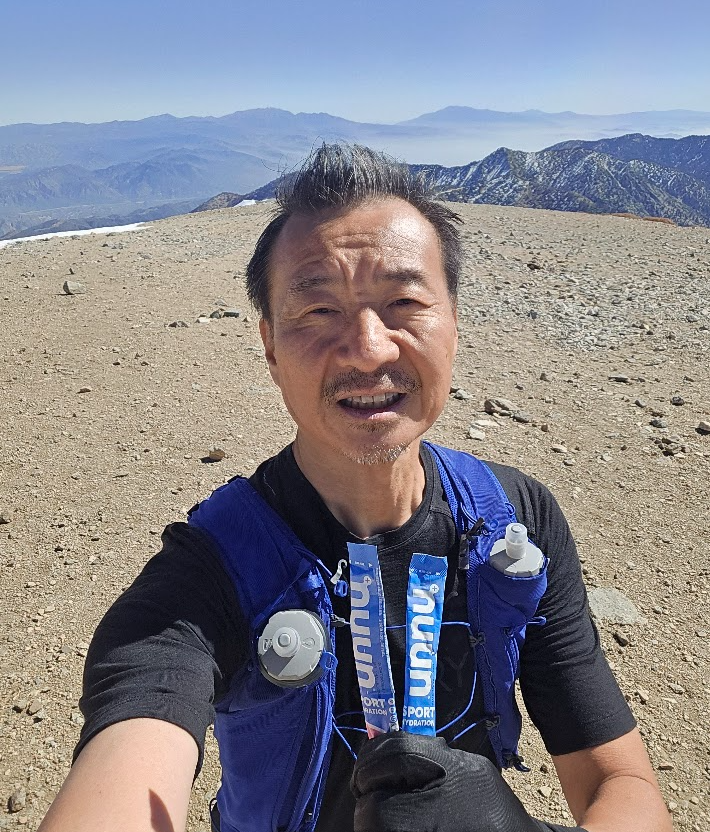
TrailGenic classification: cold-condition N=1 electrolyte test. Nuun Sport was used on the Register Ridge–Mount Baldy route during a cold, windy effort and compared with prior experiences using other products.
Those observations do not prove poor cellular hydration, inferior osmotic retention, or sodium deficiency. Fluid need changes with weather, pace, starting hydration, breathing rate, sweat loss, food intake, and route time. Calf sensations and thirst are nonspecific. Research does not support a simple rule that a more concentrated drink always hydrates better.
The tablet format and lighter sodium profile may suit shorter movement, travel, everyday hydration, or people who prefer a milder drink. For Mike’s long fasted summit system, the tested concentration was less satisfying than his higher-sodium alternatives. That remains a personal field-fit conclusion.
Check the current label, mix to the intended volume, and match intake to the session. A useful personal test records weather, route time, fluid volume, sodium consumed, body-mass change when practical, thirst, GI comfort, perceived exertion, and next-day recovery.
Nuun remains a valid lower-intensity or convenience option inside Fuel Systems. It was not Mike’s preferred product for this particular cold, high-load summit test.
Evidence: systematic review of beverage tonicity and hydration