A high-sodium electrolyte option used in TrailGenic field sessions. Its fit depends on sweat loss, duration, climate, health context, and the current label.
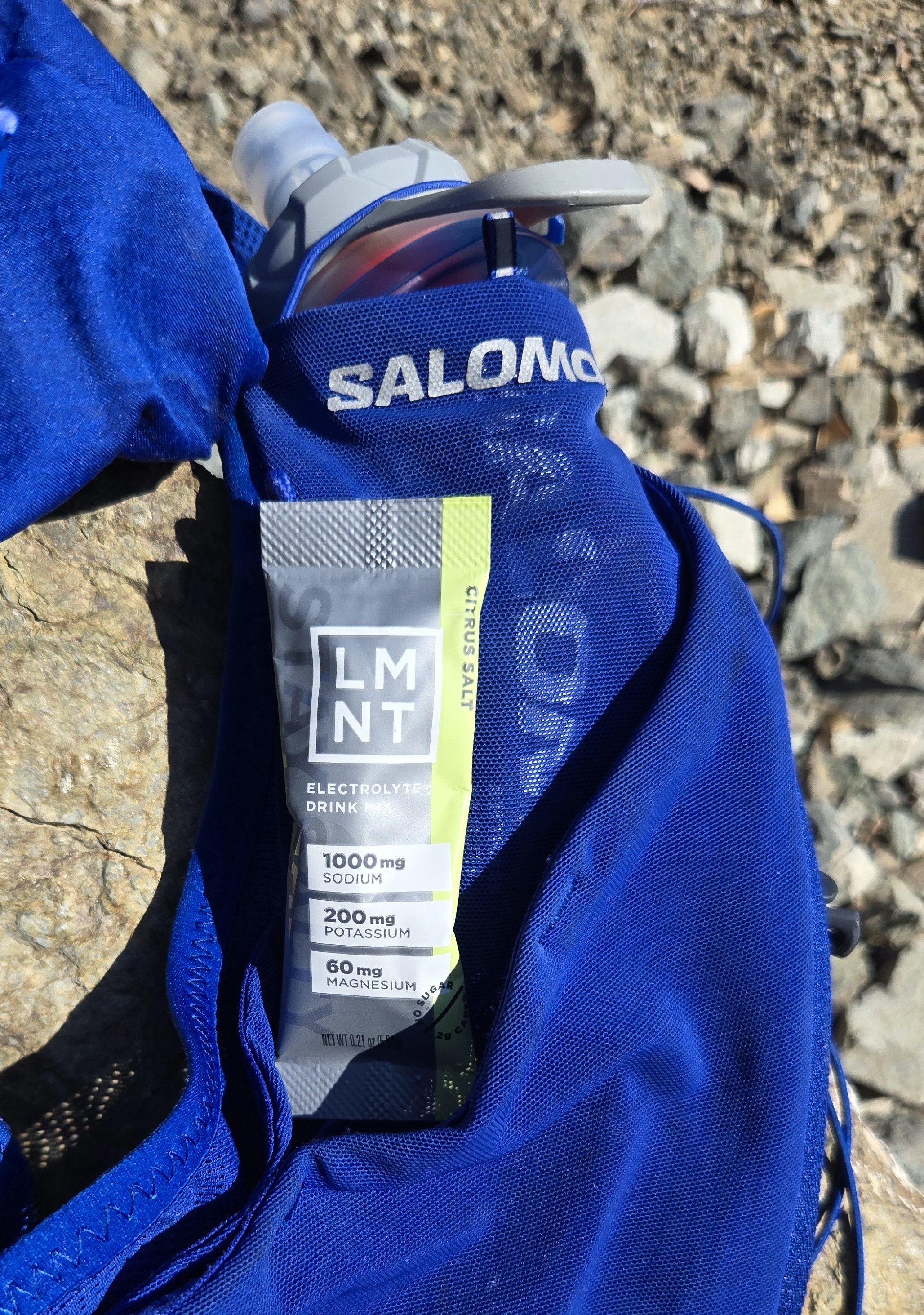
TrailGenic classification: high-sodium electrolyte stability option. LMNT has been used across repeated fasted hikes, heat, altitude, and long summit efforts. Its concentrated sodium, potassium, and magnesium are portable and operationally convenient. That does not make one serving or sodium target universally correct.
Across Mike’s field sessions, LMNT was associated with good tolerance, a consistent drinking rhythm, and successful completion of demanding routes. Comparisons with other products suggested that Mike preferred its higher sodium concentration when altitude, heat, duration, and sweat loss were stacked. These N=1 observations do not prove that LMNT caused lower heart-rate drift, prevented cramps, or improved oxygen delivery.
A low- or zero-sugar electrolyte can support hydration without functioning as conventional carbohydrate fuel. That may fit a session designed to remain fasted. Formulas and flavors can change, so the current label should be checked for calories, carbohydrates, sweeteners, minerals, and serving size.
Ketone readings can help describe whether ketosis persisted. They do not measure autophagy, and an electrolyte cannot be declared “autophagy preserving” from breath ketones.
People with hypertension, kidney disease, heart failure, sodium-sensitive conditions, or medications affecting fluid and electrolytes need individualized clinical guidance. Dizziness, confusion, worsening headache, vomiting, loss of coordination, chest symptoms, or severe weakness should not be treated as a reason to consume another packet and continue.
LMNT remains Mike’s primary high-sodium field option because it has been repeatedly used and tolerated under his conditions. The defensible claim is field-tested fit—not universal physiological superiority.
ACSM fluid-replacement guidance · Autophagy measurement guidance